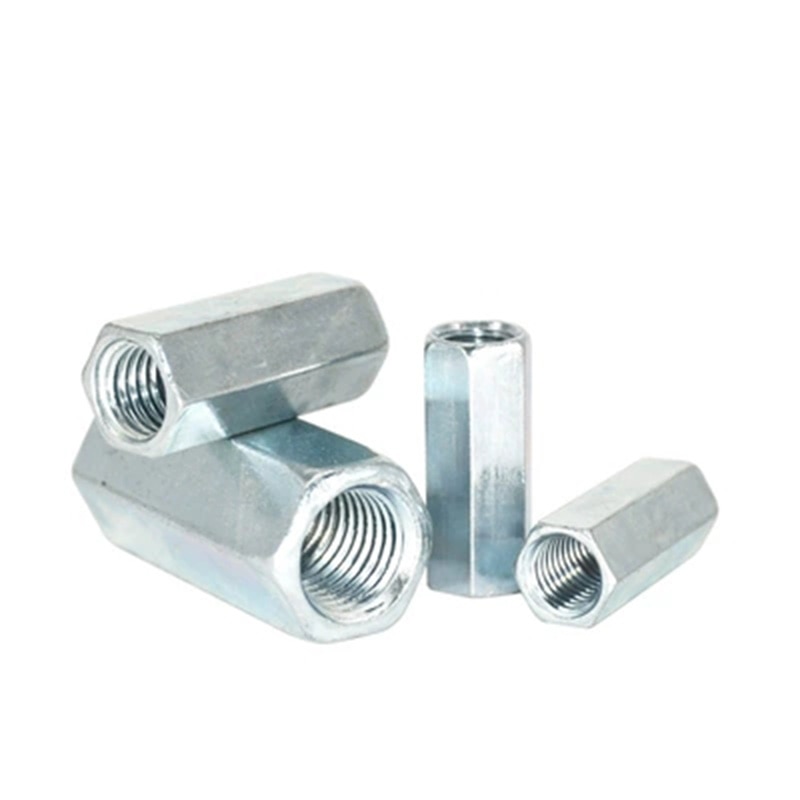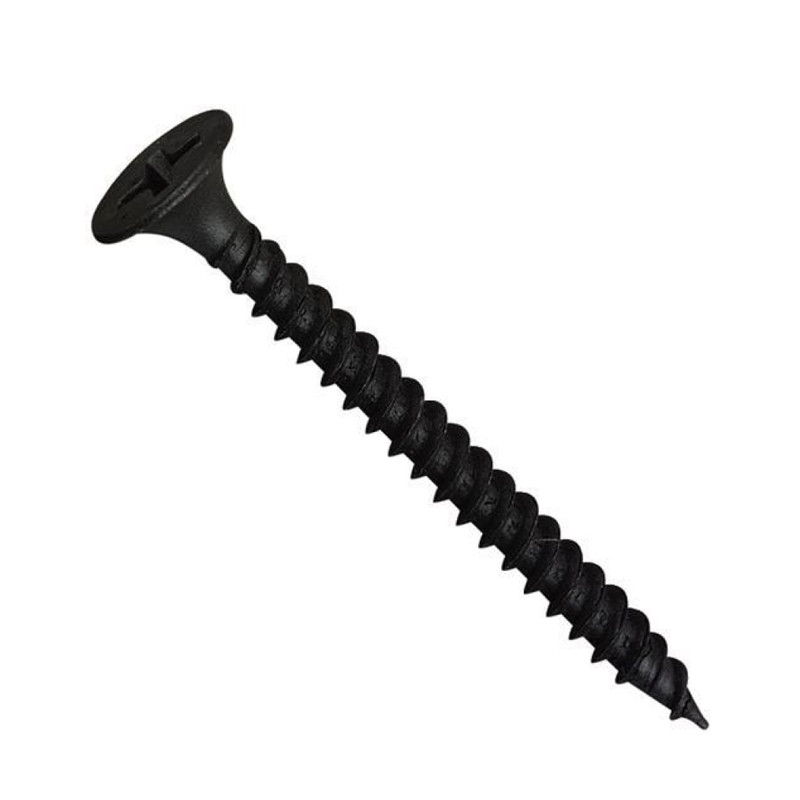
DIN933 Titanium Hex Head Bolts

Short Description:

Specifications: M1, M1.8, M2, M2.5, M3, M4… M24, M30
Standard: German standard DIN; American Standard ASTM/ASME/ANSI; International standard ISO etc.

Materials: Grade 2, Grade 5 Ti-4Al-6v, Grade 7, Grade 12, etc.

Surface treatment: Polishing, anodic oxidation, PVD coating, etc.

Color: Natural, black, silver, pink, yellow, green, gold, blue, purple and many other colors

Customization: Support OEM or ODM

Price: Negotiable

I. Specification
| Item Name | Hexagon Cap Bolt |
| Material | Titanium, Titanium Alloy |
| Grade | Grade 2, Grade 5, GR7, GR9, GR11, etc |
| Specification | M1-M30 |
| Sample | Available |
| MOQ | Negotiable |
| Feature | Light weight, Low density, acid resistance, alkali resistance, high corrosion resistance, excellent mechanical strength, good thermal stability, hypothermia stability, thermal conductivity, nonmagnetic, nontoxic |
| Application | Medical industry, Chemical industry, Military, Space and aviation, Navigation and ship, Bicycle, Motorcycle, Cars and automobile, Automation, Sports, etc. |
| Quality | ISO Certification; Full inspection before shipment |
| Payment | T/T, Credit Card, E-checking, Paypal, etc |
II. Competitive Advantages to other screws
Light Weight: Titanium has a specific weight of 4.51, about 60% that of steel.
High Strength: Titanium is comparable in strength to steel.
Outstanding Corrosion Resistance: Titanium has superb seawater corrosion resistance and hence is ideal for parts used in seawater.
Good Workability: Titanium is as workable as steel.
Non-Magnetism: Titanium is not magnetized.
Aesthetics: Unique texture of metal surface and various menu of surface finish.
Small Thermal Expansion: Titanium is comparable in thermal expansion to glass or concrete.
Environmental and Biological Conformity(non-toxicity): Titanium elutes so few metallic ions that it seldom causes metallic allergies.
III. Applications for Titanium Fasteners
Titanium can be alloyed with iron, aluminium, vanadium, and molybdenum, among other elements, to produce strong, lightweight alloys for aerospace (jet engines, missiles, and spacecraft), military, industrial processes (chemicals and petrochemicals, desalination plants, pulp, and paper), automotive, agri-food, medical prostheses, orthopedic implants, dental and endodontic instruments and files, dental implants, sporting goods, jewelry, mobile phones, and other applications.